
Broadly, my work focuses on the social, structural, and environmental determinants of emerging infectious diseases. Methodologically, I leverage electronic health records and large, publicly available datasets with the application of advanced epidemiologic tools including: 1) multilevel and longitudinal analytic methods (e.g., causal mediation analysis, multilevel analysis of individual heterogeneity and discriminatory accuracy), 2) quasi-experimental methods (e.g., time-series and difference-in-difference methods), and 3) network and simulation tools (e.g., Bayesian network analyses and agent-based modeling). These approaches help clarify how factors like social identity, poverty, and structural and environmental inequity put marginalized populations at risk of risk for infectious diseases.
Current Interests
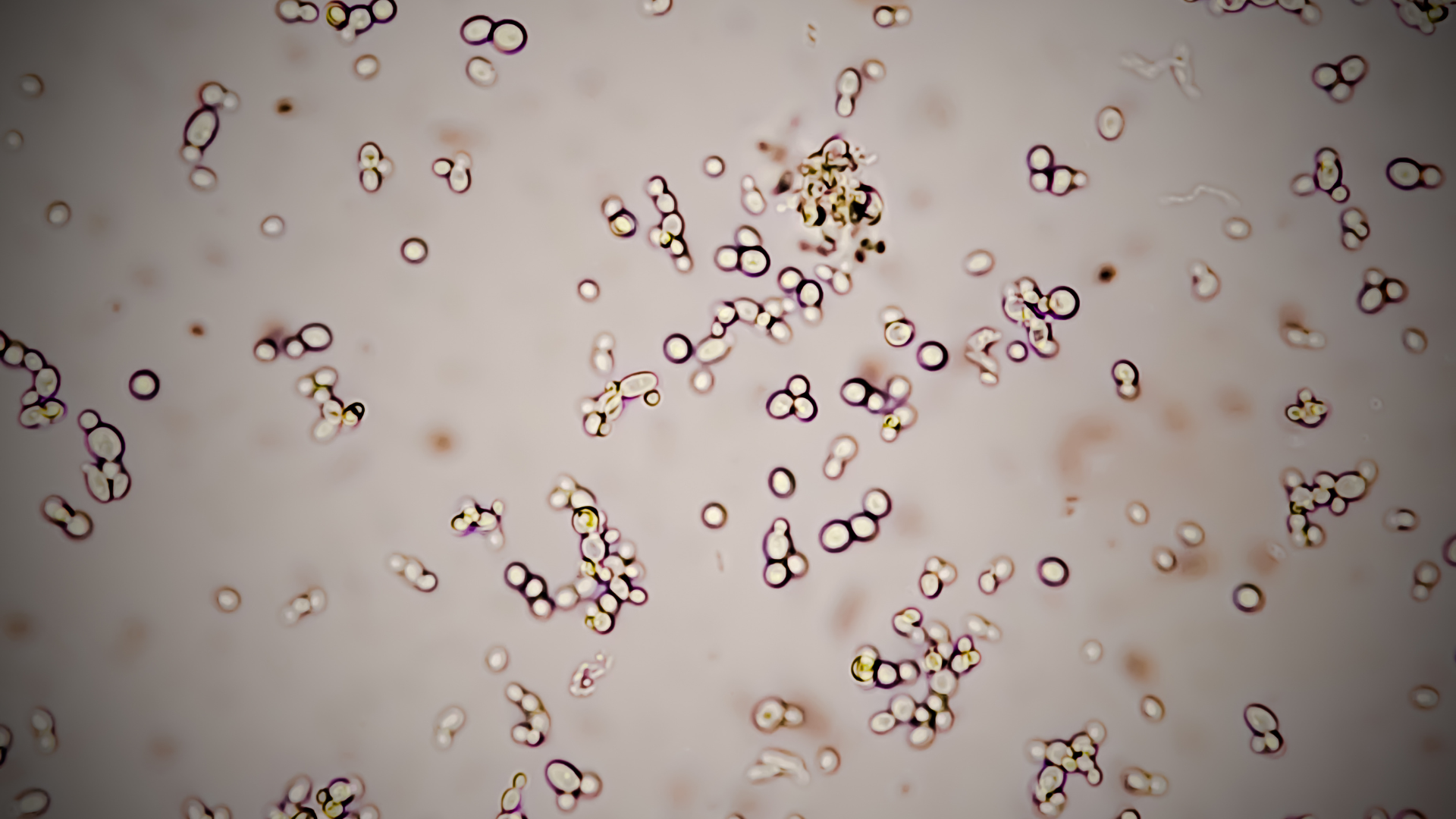
INFECTIOUS DISEASE DISPARITIES
While there is a plethora of evidence documenting a higher prevalence of infectious diseases among low-income and minority racial and ethnic groups, particularly in environmentally mediated infections, there remains a substantial knowledge gap regarding the role of systemic oppression and structural drivers in infectious disease systems. My current projects examine the ways systemic oppression drive exposure, infection, and severe outcomes in invasive fungal diseases at the interface between social and natural ecological systems.

EHR & POPULATION HEALTH DATA
Electronic health records are now the standard in medical practice and an increasingly important source of health data. However, conducting meaningful research leveraging this complex data source that influences population health is challenging due to issues related to data quality, interoperability, and several unique biases. My work focuses on developing and employing mathematical models, quantitative epidemiological and causal inference approaches, and other statistical methods to identify health and disease trends, understand disease dynamics, and evaluate or inform public health interventions using EHR data linked with publicly available and administrative data.
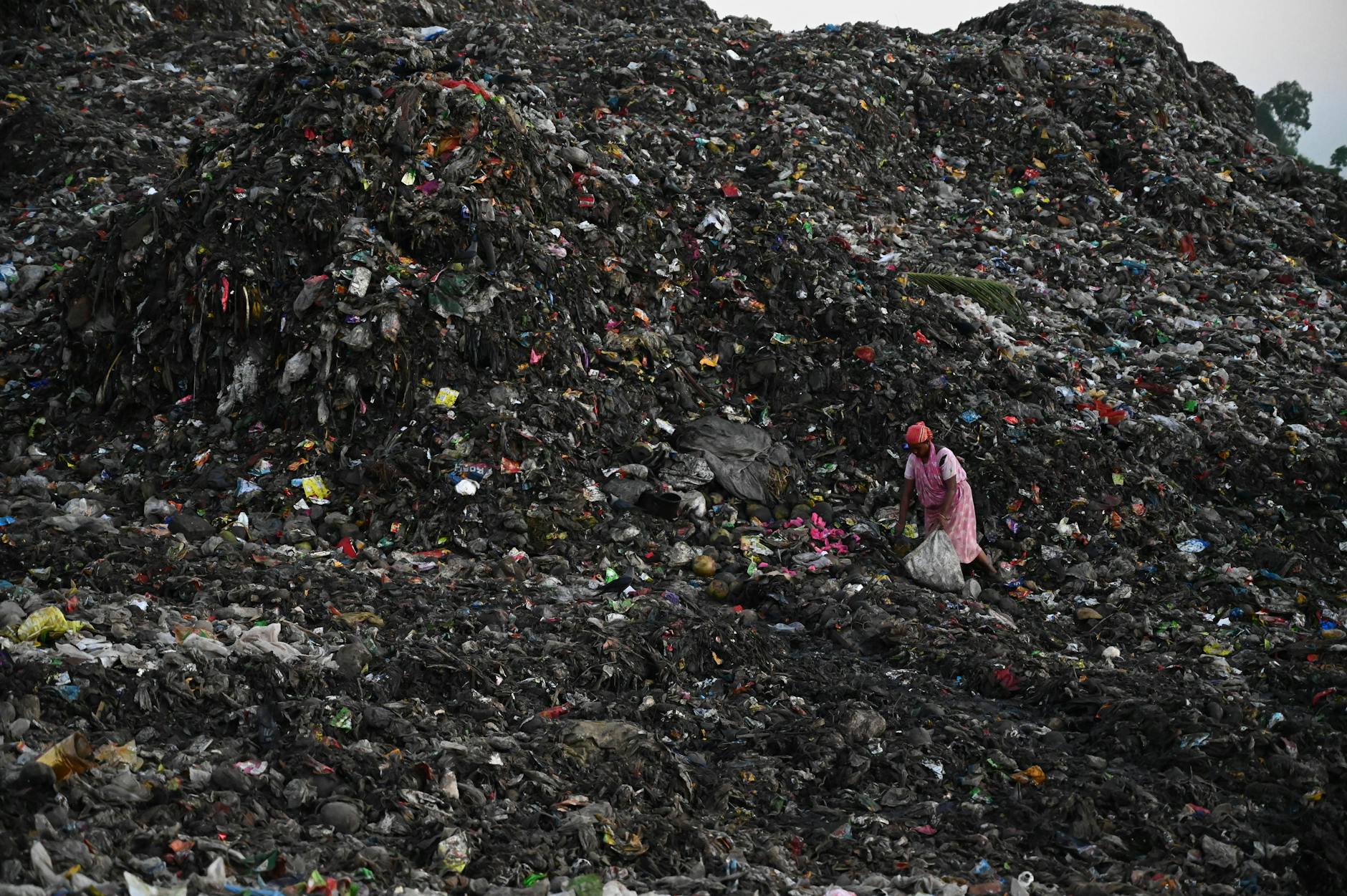
PLANETARY/ONE HEALTH
Human health is fundamentally shaped by complex relationships between human, animal, and environmental health. My research focuses on leveraging Planetary Health and One Health approaches to study the determinants of disease in humans. By integrating data from diverse sources, including environmental monitoring and agricultural practices, my work aims to uncover the multifaceted factors that drive disease emergence and exposure. I have a budding interest and focus on using systems-science perspectives to evaluate health outcomes & determinants considering the complex and dynamic interactions between human, animal, and environmental sectors.
Contributions to Science
Leveraging electronic health record data to explore determinants of antimicrobial resistance & subsequent related infections
I have led several projects using EHR data from both human and veterinary medicine to investigate the social and behavioral determinants of AMR and subsequent AMR-related infections. My work incorporates complex systems sciences methods to understand the determinants of AMR across the One Health paradigm and disparities in AMR-related infections. (1,2,3,4)
Developing, expanding, and applying key theoretical frameworks
One of the foundational, theoretical projects leading to my dissertation involved working with Dr. Laura Fejerman and the Director of the National Institutes on Minority Health and Health Disparities (NIMHD), Dr. Eliseo J. Perez-Stable, to expand the current NIMHD research framework by incorporating a One Health lens. Our proposed expansion facilitated the deliberate consideration of the interconnectedness between human, animal, and environmental health in health disparities research, simulating novel thinking, creating new avenues of inquiry, and encouraging multidisciplinary collaborations. (1)
Investigating the role of the emergency department as a setting for delivering public health services and leveraging EHR data from emergency departments for public health research
I have contributed to the literature regarding screening for HIV and, most notable, demonstrating the utility of the emergency department as a setting for antimicrobial stewardship, sexually transmitted disease testing, and vaccination. (1,2,3,4)
Contributions to community-based participatory research (CBPR) projects
My early research contributions included supporting a community-based particulary research project with the Oregon Prevention Research Center to validate a cultural adaptation to the CDC’s STAND (Students Together Against Negative Decisions) curriculum to reach American Indian and Alaskan Native youth. In this role, I worked with key stakeholders, including community members, tribal governments, and tribal public health departments, to collect, manage, analyze, and interpret quantitative and qualitative data to evaluate curriculum implementation. The curriculum has now been implemented in over 50 tribal communities across the US. This work laid the foundation for my future efforts in exploring and addressing health disparities. (1,2,3,4)
 blmorganbustamante.com