
Join the Systems Epi-ID Lab!
I will be joining the Department of Epidemiology & Biostatistics at the University of California, Irvine, in July 2026 and am actively recruiting graduate students and collaborators to join the Systems Epidemiology of Infectious Diseases (Systems Epi-ID) Lab. Those with interests in infectious disease epidemiology, systems science, health equity, social determinants of health, and electronic health record research are encouraged to reach out!
Research Themes
My research program seeks to understand how social, environmental, healthcare, and biological systems interact to shape infectious disease risk. Rather than viewing infectious diseases as the result of isolated risk factors, I study how interconnected determinants combine to influence patterns of disease exposure, infection, diagnosis, and outcomes across populations. Through the integration of advanced epidemiologic methods, large-scale electronic health record data, and computational modeling approaches, my work seeks to inform theory, develop novel analytic approaches, and refine conceptual models of disease systems.
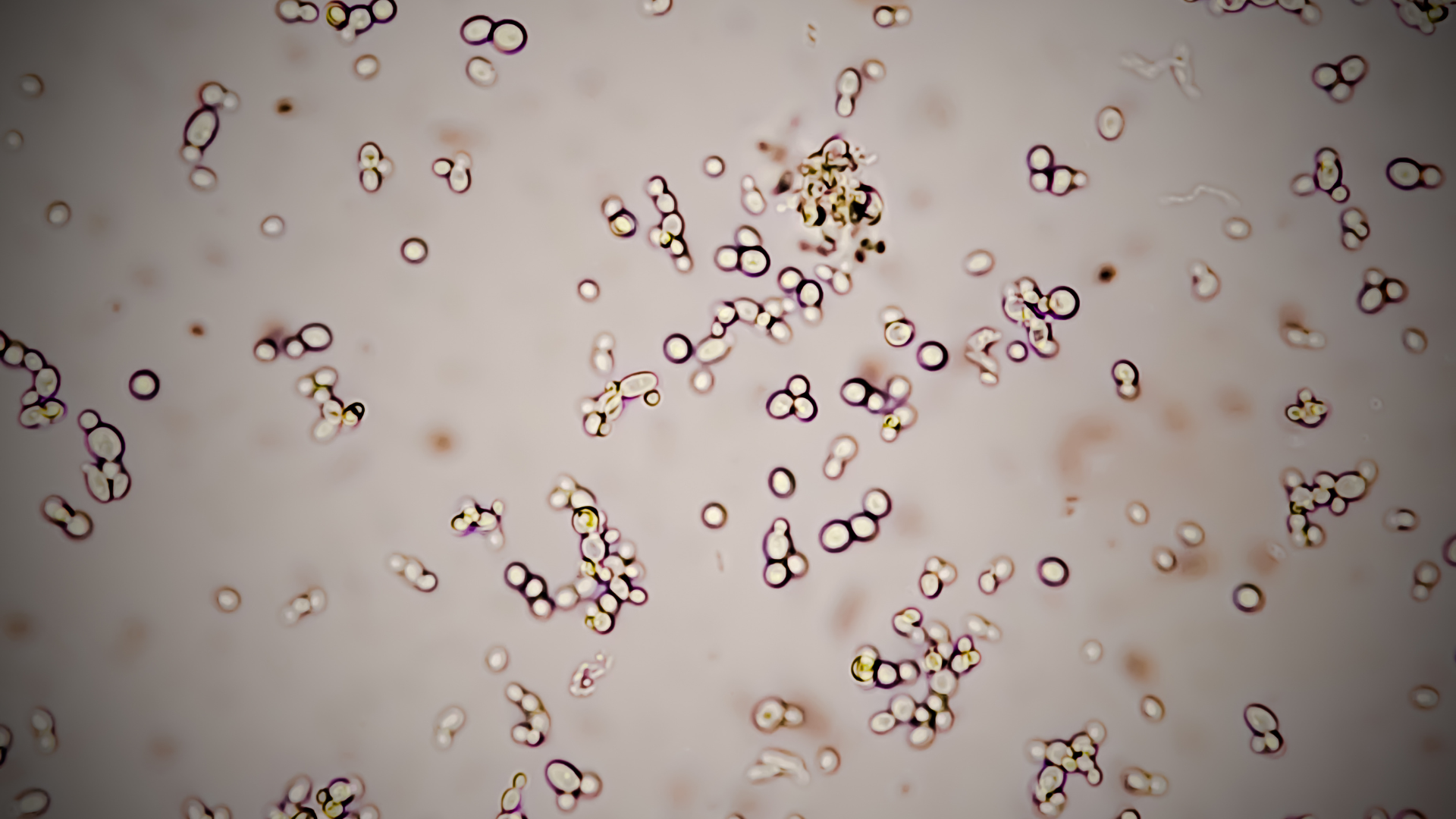
SOCIAL & STRUCTURAL DETERMINANTS OF INFECTIOUS DISEASES
My research examines how healthcare systems, social conditions, and structural factors contribute to unequal patterns of infectious disease exposure, diagnosis, treatment, and outcomes. A major focus of my work is identifying the mechanisms through which health inequities emerge and persist across populations.

QUANTITATIVE & COMPUTATIONAL EPIDEMIOLOGY
I develop and apply advanced epidemiologic, statistical, and computational methods—including causal inference, spatial analysis, network modeling, and simulation approaches—to study complex disease systems. My work mostly leverages electronic health records, administrative datasets, surveillance systems, and other large-scale data sources to generate actionable insights for public health research.

ENVIRONMENTAL & ONE HEALTH DRIVERS OF DISEASE
My work investigates how environmental conditions and interactions among human, animal, and environmental systems influence infectious disease emergence, transmission, and risk.
Current Research Projects
National Epidemiology of Fungal Diseases
Using electronic health records from more than 70 million patients, our research characterizes geographic, temporal, and demographic patterns of aspergillosis, cryptococcosis, and other invasive fungal diseases across the United States. Ongoing projects examine changes in disease burden over time, identify populations at elevated risk, and evaluate emerging trends in fungal disease epidemiology.
Complex Systems Approaches to Infectious Diseases
Many infectious diseases arise from complex interactions among social, environmental, healthcare, and biological factors. This line of research applies Bayesian network analysis, agent-based modeling, and other systems science approaches to understand disease dynamics, identify key drivers of disease risk, and evaluate potential intervention strategies.
Social & Environmental Drivers of Fungal Diseases
Fungal disease risk is shaped by a combination of environmental exposures, healthcare access, and broader social conditions. Our research integrates electronic health record data with environmental and population-level datasets to investigate how factors such as flooding, extreme weather, demographic patterns, and access to care influence fungal disease risk, geographic distribution, and health outcomes.
Healthcare Access & ID Outcomes
Timely diagnosis and treatment are critical for many infectious diseases, yet barriers to healthcare can substantially influence patient outcomes. This research examines how healthcare access, healthcare utilization, and diagnostic pathways affect disease detection, treatment, and outcomes, with a particular focus on fungal diseases and other serious infections.

